
22 October 2026
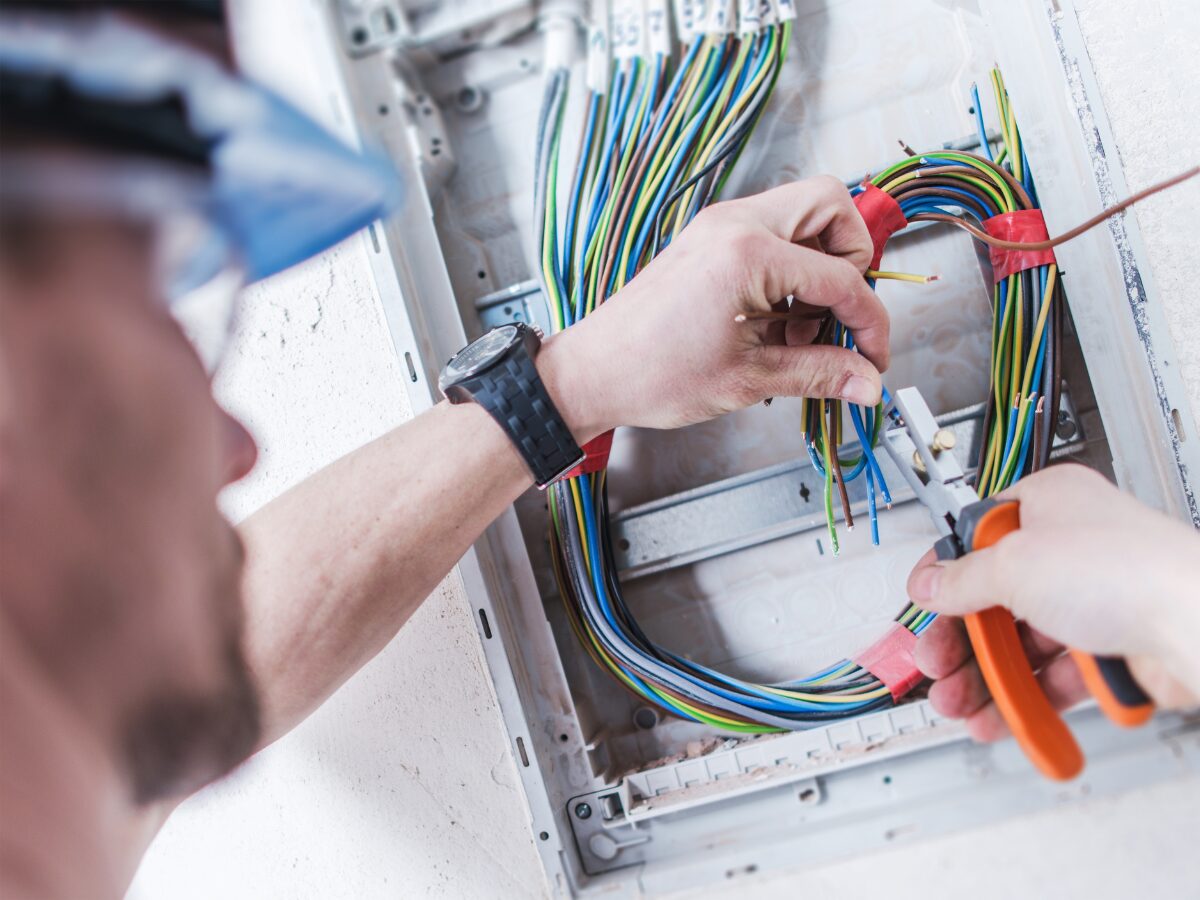
Commercial fixed wire testing is an important part of maintaining safe electrical installations in business premises. However, for facilities managers, commercial landlords and business owners, arranging an inspection often raises practical questions. Will the electricity need to be switched off? How long will testing take? What preparation is required?
Understanding what happens during commercial fixed wire testing can help businesses plan inspections efficiently, protect essential operations and reduce unnecessary disruption.
The process involves inspecting and testing a building’s permanent electrical installation to identify deterioration, defects and potential safety hazards. The findings are recorded in an Electrical Installation Condition Report (EICR), which helps businesses understand the condition of their electrical systems and identify any necessary remedial work.
This guide explains the commercial fixed wire testing process, how to prepare your premises and what to expect before, during and after an inspection.
Commercial fixed wire testing assesses the condition and safety of a property’s permanent electrical installation.
Unlike portable appliance testing (PAT), which focuses on electrical appliances and equipment, fixed wire testing examines the infrastructure responsible for distributing electricity throughout a building.
This typically includes:
The inspection helps identify electrical defects, deterioration and potential safety concerns that may not be apparent during normal building operations.
Following testing, the findings are documented in an EICR, providing a formal assessment of the installation’s condition.
Procure Direct provides commercial EICR and fixed wire testing services, supporting businesses with electrical safety inspections and compliance requirements.
The precise testing process depends on the size, condition and complexity of the electrical installation. However, most commercial fixed wire inspections involve several key stages.
Before testing begins, the electrical engineer establishes the inspection scope and reviews the building’s electrical infrastructure.
This may involve examining previous EICR reports, distribution board schedules and available electrical installation records.
For larger commercial premises, the engineer will also consider access requirements, operational restrictions and any equipment that cannot be interrupted without prior arrangements.
This initial planning helps ensure the inspection is carried out safely and efficiently.
The engineer examines accessible electrical components to identify visible signs of damage, deterioration or potential safety hazards.
Typical checks include:
Visual inspections can identify defects that may otherwise remain unnoticed until an electrical failure occurs.
However, electrical testing is also required to assess aspects of the installation that cannot be evaluated through visual inspection alone.
Following the visual inspection, the engineer carries out appropriate electrical tests to assess the condition and safety of the installation.
Depending on the agreed inspection scope, these may include:
Continuity testing: Checks the continuity of protective conductors and relevant circuit connections.
Insulation resistance testing: Assesses the condition of electrical insulation and helps identify deterioration or potential faults.
Earth fault loop impedance testing: Helps determine whether protective devices can disconnect the electrical supply appropriately under relevant fault conditions.
Polarity testing: Checks that electrical connections and protective devices are correctly arranged.
RCD testing: Assesses the operation of residual current devices designed to provide protection against certain electrical faults.
Some tests require circuits to be safely isolated, while others involve measurements taken with the installation energised under controlled conditions.
The engineer determines the appropriate testing procedures based on the installation, applicable safety requirements and relevant electrical standards.
During the inspection, the engineer records any defects or safety concerns identified.
These may include damaged electrical accessories, deteriorated wiring, inadequate earthing arrangements or defective protective devices.
Each relevant observation is classified according to its severity, helping the business understand which issues require immediate attention and which improvements may be recommended.
Once testing is complete, the engineer produces an Electrical Installation Condition Report.
The EICR records the condition of the installation at the time of inspection, including relevant test results, observations, limitations and recommendations.
The report will indicate whether the overall assessment is satisfactory or unsatisfactory, allowing the responsible business or property manager to arrange appropriate follow-up action.
One of the main considerations when arranging commercial fixed wire testing is the potential impact on normal business activities.
Certain electrical tests require circuits to be temporarily isolated, which can result in planned interruptions to equipment or electrical supplies.
However, this does not necessarily mean the entire building needs to be shut down.
The level of disruption depends on the electrical installation, the circuits being tested and the building’s operational requirements.
For example:
Discussing these requirements before the inspection allows the electrical contractor to plan suitable testing arrangements and identify where temporary power interruptions may be necessary.
Preparing a commercial property before an electrical inspection can help avoid delays and ensure testing is completed efficiently.
Engineers require access to relevant distribution boards, electrical cupboards and other areas containing fixed electrical infrastructure.
Businesses should ensure these locations are accessible and that any necessary keys or permissions are available.
Previous EICR reports, circuit schedules and relevant electrical documentation can help engineers understand the installation’s history.
This is particularly useful where earlier inspections identified defects, recommended improvements or recorded limitations.
Businesses should identify electrical systems that cannot be interrupted without prior arrangements.
These may include:
The testing engineer can then assess how these systems may be affected and agree appropriate arrangements before testing begins.
Where inspections may affect access to certain areas or interrupt electrical supplies, employees and other building occupants should be informed in advance.
This helps departments prepare for temporary restrictions and reduces the likelihood of unexpected operational disruption.
For premises operating extended hours or relying on essential electrical equipment, testing may need to be coordinated around quieter periods or planned maintenance shutdowns.
A suitable inspection schedule should be agreed with the electrical contractor before work begins.
The time required for commercial fixed wire testing depends on the size of the premises, the number of electrical circuits and the complexity of the installation.
A small office or retail unit may require only a few hours, while larger warehouses, schools and industrial facilities may need more extensive inspections.
Several factors can influence the duration:
For larger commercial buildings, inspections may be completed in phases to accommodate operational requirements.
The electrical contractor should provide guidance on the anticipated duration following an assessment of the premises and the required inspection scope.
Procure Direct’s commercial EICR project at City of Derby School demonstrates how electrical testing can be coordinated around the operational requirements of a larger building.
The project involved inspecting and testing electrical installations across more than 25 distribution boards.
To minimise disruption, the work was scheduled during the school holiday period, with five electrical engineers deployed to complete the inspections and associated remedial works within the available timeframe.
This approach allowed the necessary electrical safety work to be coordinated around the school’s operational schedule, helping ensure the building was ready for pupils and staff to return.
The project highlights the importance of planning, appropriate resources and effective coordination when carrying out commercial electrical inspections.
Read the full case study: Commercial EICR Testing at City of Derby School.
Once the inspection is complete, the business receives an EICR detailing the condition of the electrical installation and any identified defects.
The report uses standard observation codes to classify relevant findings.
| EICR code | Meaning | Required response |
| C1 | Danger present | Immediate action required |
| C2 | Potentially dangerous | Urgent remedial action required |
| C3 | Improvement recommended | Consider recommended improvements |
| FI | Further investigation required | Further investigation without delay |
An EICR containing C1, C2 or FI observations will normally be classified as unsatisfactory.
Where defects are identified, the responsible party should arrange appropriate corrective action and retain records of the completed work.
Procure Direct also provides commercial electrical maintenance and repairs, helping businesses address electrical defects and maintain reliable installations.
Following remedial work, the relevant completion documentation should be retained alongside the original EICR. A complete repeat inspection is not automatically required in every case.
Commercial fixed wire testing provides more than a periodic assessment of electrical installations. It supports a proactive approach to electrical safety, maintenance planning and operational reliability.
For businesses, the benefits include:
For facilities managers and organisations responsible for several commercial buildings, incorporating electrical inspections into planned preventative maintenance programmes can help improve scheduling and maintain oversight of electrical safety requirements.
Some electrical tests require circuits to be safely isolated. However, this does not necessarily mean the entire building must lose power. The engineer will assess the installation and agree appropriate testing arrangements with the business.
Yes. Testing can often be arranged during evenings, weekends or planned shutdown periods, depending on the premises and the electrical contractor’s availability.
Equipment connected to circuits being isolated may need to be safely shut down or disconnected before testing. Businesses should identify critical equipment in advance and follow the engineer’s instructions.
No. Fixed wire testing assesses a building’s permanent electrical installation, whereas portable appliance testing examines relevant electrical appliances and equipment. Both activities address different aspects of electrical safety.
An unsatisfactory EICR indicates that dangerous or potentially dangerous defects, or matters requiring further investigation, have been identified. The responsible party should arrange the necessary corrective action or investigation promptly.
Inspection frequency depends on the type, condition and use of the electrical installation. Many offices and retail premises have a recommended interval of up to five years, while industrial and higher-risk environments may require more frequent inspections.
For more information, read our guide: How Often Does a Commercial Property Need an EICR? [Add internal link once the first October article is published.]
Commercial fixed wire testing is an essential part of maintaining safe electrical installations, but inspections should be planned carefully to minimise unnecessary disruption.
At Procure Direct, we provide commercial EICR and fixed wire testing services for offices, warehouses, schools, retail premises, industrial facilities and other commercial environments.
Our experienced electrical engineers support businesses with planned inspections, clear reporting and remedial electrical works where required.
Whether you manage a single commercial property or multiple sites, we can help you coordinate electrical testing around your operational requirements and maintain a proactive approach to electrical safety.
Contact Procure Direct to discuss your commercial fixed wire testing requirements or request a quotation.