
28 May 2026
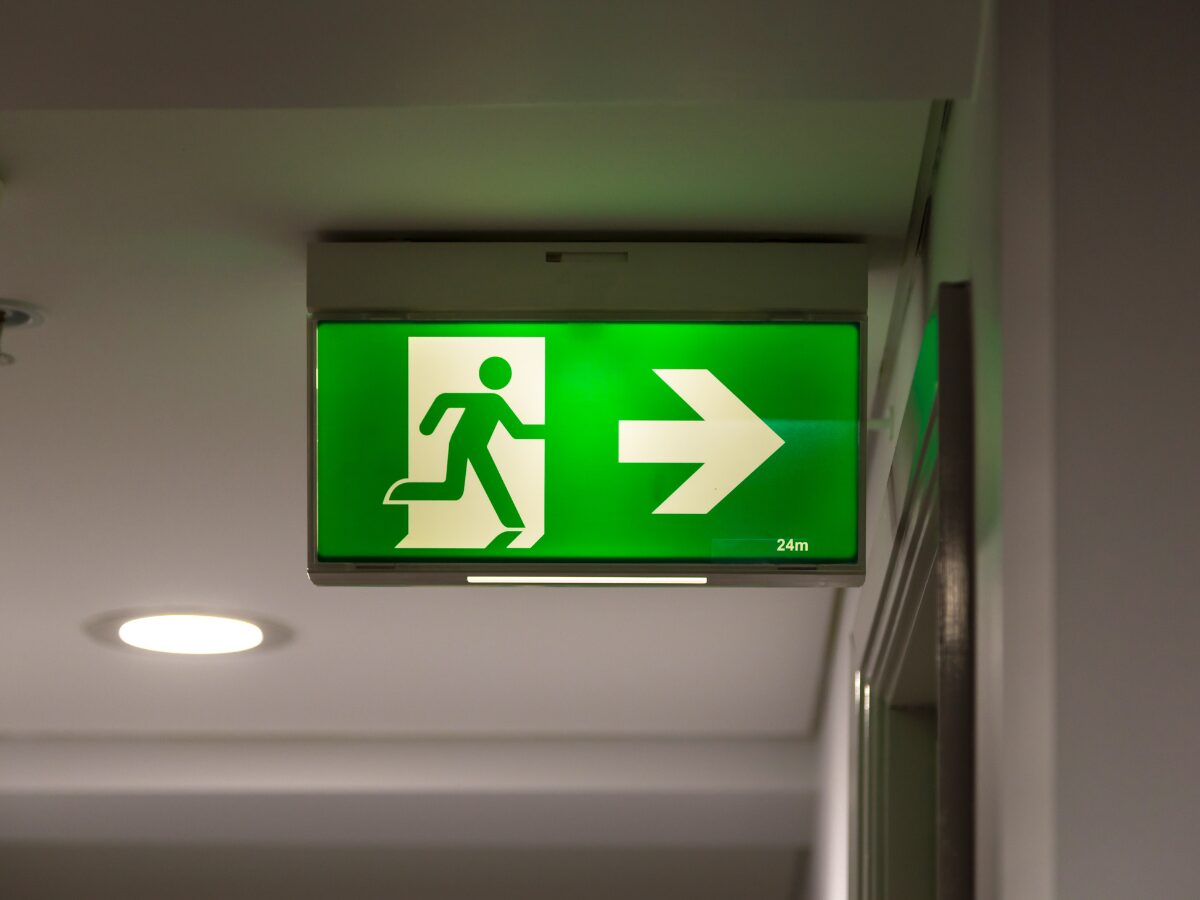
Procure Direct completed a full emergency lighting testing and compliance project at Healing Secondary School during the school holidays, ensuring all emergency lighting systems were fully operational, compliant, and certified before pupils and staff returned to site.
The project involved comprehensive inspection, discharge testing, remedial works, and certification across the school’s emergency lighting infrastructure. By completing the works during the holiday shutdown period, disruption to teaching activities was avoided while allowing engineers safe access throughout the building.
Working within educational environments requires careful planning, strict deadlines, and a strong focus on compliance and pupil safety. All testing, repairs, and certification were completed within one week to ensure the school could reopen safely and on schedule.
Emergency lighting systems are a legal requirement within schools and educational buildings under current fire safety legislation and emergency lighting regulations. In the event of a power failure or emergency situation, emergency escape lighting provides safe illumination to exits, stairwells, corridors, and escape routes, helping occupants evacuate the building safely.
Regular emergency lighting testing, inspection, and servicing help schools maintain compliance with BS 5266 standards while reducing the risks associated with faulty or non-operational emergency lighting systems.
Properly maintained emergency lighting helps:
For this project, Healing Secondary School required full emergency lighting testing, maintenance, and remedial works before the start of the new school term.
Because the project had to be completed before the school reopened, careful scheduling and coordination were essential.
The emergency lighting works formed part of a wider programme of planned electrical maintenance and compliance works taking place during the school holiday shutdown. Completing the project during this period allowed engineers to safely access classrooms, corridors, stairwells, communal areas, and emergency escape routes without disrupting teaching activities or creating risks within occupied areas.
Additional consideration was given to:
To ensure the project remained on schedule, six electricians were deployed to site over the course of one week.
An initial programme of emergency lighting testing and inspection was carried out across the school to assess the condition and performance of all emergency luminaires.
Each emergency light fitting was placed into emergency mode for a full three-hour discharge duration test to confirm battery endurance and compliance with current emergency lighting testing requirements and BS 5266 guidance.
The inspection programme identified fittings requiring:
The works included both maintained and non-maintained emergency lighting systems located throughout classrooms, corridors, stairwells, communal spaces, and emergency escape routes.
Throughout the testing process, engineers recorded detailed information on site, including:
This structured testing and reporting process provided full traceability across the installation while helping the school maintain accurate compliance records.
Following completion of the testing programme, all inspection data and completed test sheets were passed to the Operations Team for review and compilation.
The results were organised into a detailed spreadsheet identifying:
This process allowed engineers to prepare replacement batteries and fittings ahead of remedial visits, improving efficiency on site and reducing delays during the school holiday maintenance window.
Once all remedial works and emergency lighting maintenance had been completed, the systems were retested to confirm full operation and compliance.
All emergency lighting systems were verified as fully operational and compliant with current emergency lighting regulations before the school reopened to staff and pupils.
After all testing, repairs, and remedial works had been successfully completed, an Emergency Lighting Certificate was issued to demonstrate compliance and confirm the installation met required safety standards.
The completed works helped Healing Secondary School:
The combination of planned emergency lighting servicing, detailed reporting, and remedial works ensured the school’s emergency lighting systems remained safe, compliant, and fully operational.
At Procure Direct, we provide professional:
We work with schools, commercial buildings, healthcare facilities, public sector organisations, and industrial sites across the UK to help maintain safe and compliant emergency lighting systems.
Whether you require routine maintenance, annual discharge testing, remedial repairs, or a complete emergency lighting installation, our experienced engineers can help.
Emergency lighting testing involves inspecting and testing emergency lighting systems to confirm they operate correctly during a power failure or emergency situation. Testing helps identify battery failures, faulty fittings, and compliance issues.
Emergency lighting systems should undergo monthly function tests and annual full-duration discharge tests in line with current emergency lighting regulations and BS 5266 standards.
Typical emergency lighting testing requirements include monthly functional checks, annual three-hour discharge tests, inspection of emergency luminaires, and maintenance of accurate testing records and certification.
Emergency lighting servicing includes inspection of emergency luminaires, battery discharge testing, maintenance checks, replacement of faulty components, remedial repairs, and compliance certification.
Emergency lighting helps schools maintain safe evacuation routes during emergencies or power failures. It improves visibility, reduces panic, and helps protect pupils, staff, and visitors.
Emergency lighting regulations require commercial and public buildings, including schools, to maintain safe emergency escape lighting systems that operate during power failures or emergencies. Systems must be regularly inspected, tested, and maintained in line with BS 5266 standards.
Emergency lighting installation is required in buildings where occupants need illuminated escape routes and emergency visibility during power failures. Schools, offices, commercial premises, and public buildings are all commonly required to have compliant emergency lighting systems.