Our qualified engineers design, install, inspect, and maintain compliant emergency lighting systems that help businesses protect occupants, maintain safe escape routes, and meet current emergency lighting regulations.
Whether you require a new emergency lighting system, planned emergency lighting servicing, or support with ongoing compliance testing, Procure Direct delivers reliable solutions tailored to your building and operational requirements.
We provide complete emergency lighting installation services for a wide range of commercial and industrial environments.
This includes:
Emergency lighting systems are designed to illuminate escape routes and exits during mains power failure, helping occupants evacuate safely during emergencies.
Our engineers assess:
This allows us to design compliant and effective commercial emergency lighting systems suited to your premises.
Systems may include:
All installations are completed in line with current emergency lighting regulations, BS 5266 standards, and fire safety requirements.
Emergency lighting requires regular testing to confirm that the system activates correctly and provides appropriate illumination if the normal lighting supply fails.
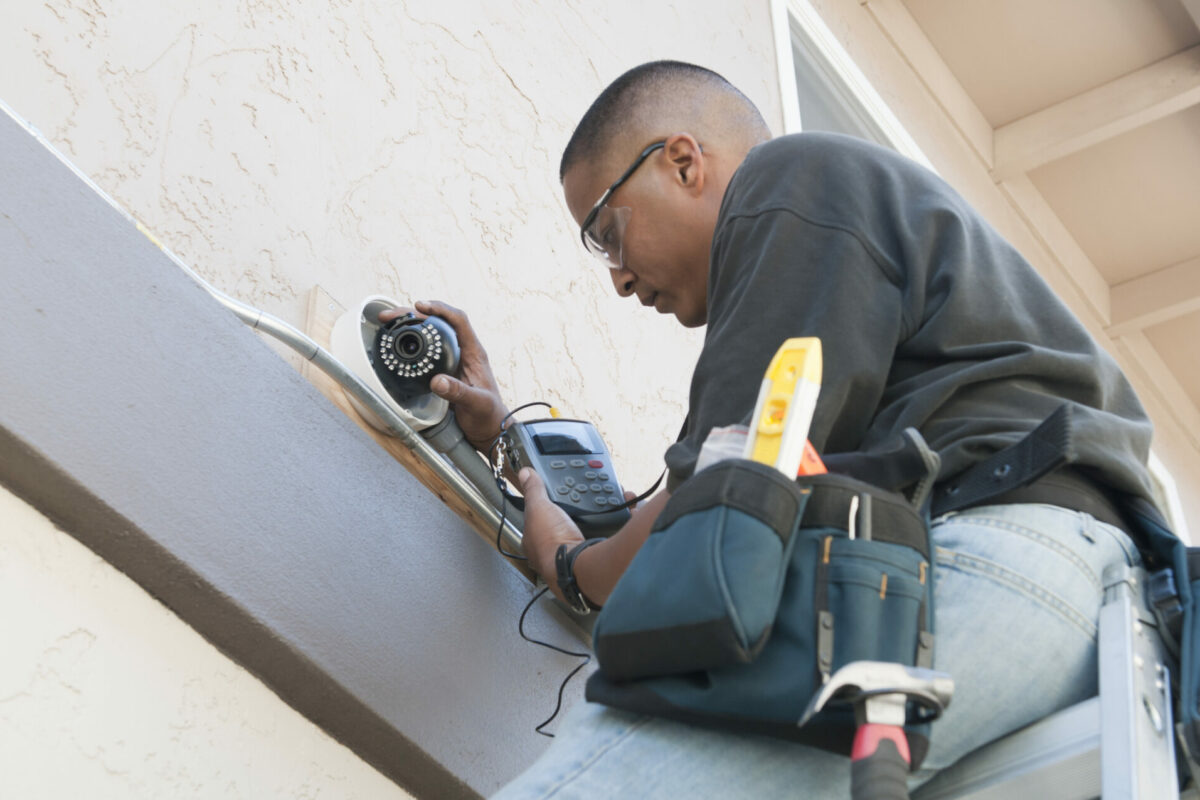
Our engineers provide commercial emergency lighting testing to identify faulty luminaires, battery issues and other defects that could prevent the system from operating correctly during an emergency.
Where problems are identified, we can provide the required maintenance or remedial works, giving businesses a straightforward route from inspection through to resolution.
UK businesses and property owners are responsible for ensuring emergency lighting systems remain fully operational and compliant.
Typical emergency lighting testing requirements include:
Testing requirements may vary depending on the building type, occupancy levels, and fire risk assessment findings.
Regular inspection and servicing helps businesses comply with fire safety obligations while maintaining safe evacuation routes throughout the property.
Regular emergency lighting maintenance helps ensure that luminaires, batteries and associated components remain operational and that faults are identified before they compromise the performance of the system.
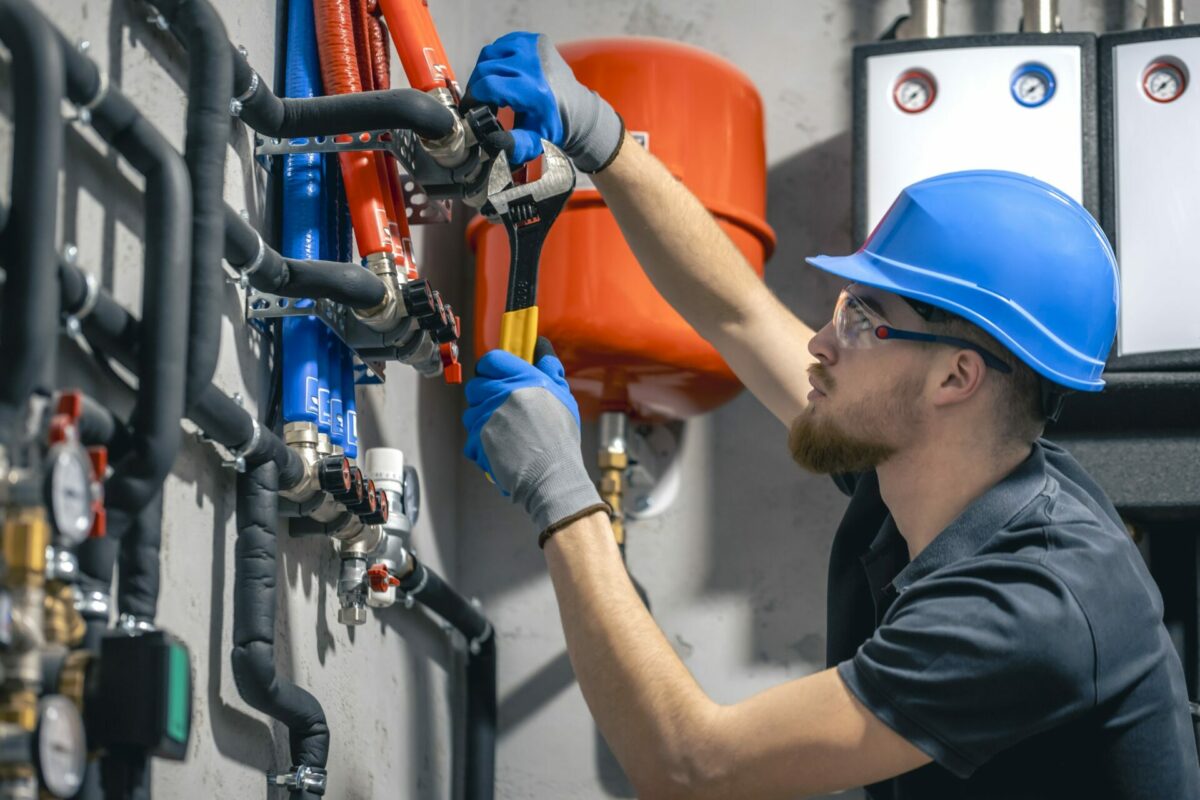
Procure Direct provides planned emergency lighting maintenance and servicing for commercial properties, including inspection of emergency luminaires, fault identification, battery and component checks, repairs and replacement of defective equipment where required.
Planned servicing can be scheduled around operational requirements to minimise disruption while helping businesses maintain dependable emergency lighting throughout their premises.
Commercial buildings must comply with relevant fire safety legislation and emergency lighting regulations to ensure occupants can evacuate safely during emergencies.
Emergency lighting systems should comply with:
Under fire safety legislation, the responsible person for a building must ensure emergency escape lighting systems remain operational, properly maintained, and regularly tested.
Compliance is particularly important for buildings with:
Routine emergency lighting servicing and testing helps businesses demonstrate compliance while supporting wider fire safety management procedures.
Different buildings require different emergency lighting solutions depending on occupancy, operational use, and evacuation requirements.
Maintained emergency lighting remains illuminated at all times and continues operating during power failure. This type of system is commonly used in:
Non-maintained emergency lighting only activates during mains power failure. These systems are commonly installed in workplaces, offices, warehouses, and industrial buildings where standard lighting is normally sufficient during operation.
Selecting the correct system is essential for maintaining compliance and ensuring safe evacuation procedures.
Our engineers regularly identify faults and compliance issues during inspections and servicing.
Common reasons systems fail include:
Identifying these issues early helps prevent emergency system failure and reduces the risk of non-compliance.
Many businesses are unaware their emergency lighting system may no longer meet current standards until an inspection takes place.
Signs your system may require inspection or upgrading include:
Older systems may also fail to meet current emergency lighting regulations, particularly if building layouts or occupancy usage has changed over time.
Emergency lighting requirements vary according to the size, layout and use of a building. Procure Direct provides testing, maintenance and servicing across a range of commercial environments.
Warehouses and industrial facilities – maintaining emergency lighting across large operational spaces, storage areas, walkways and exit routes where reliable illumination is essential during a loss of normal power.
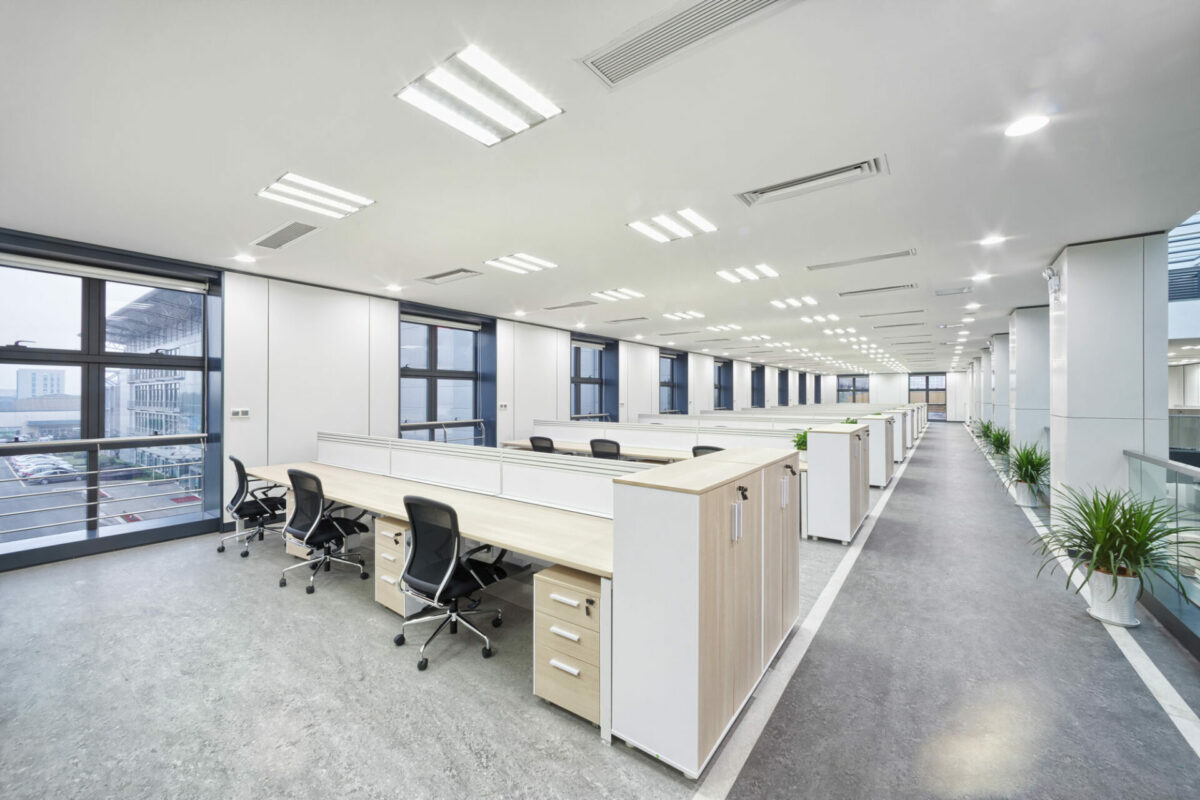
Offices and corporate buildings – testing and maintaining emergency lighting across working areas, corridors, stairways and escape routes while minimising disruption to employees.
Retail and hospitality premises – maintaining emergency lighting in customer-facing environments where safe evacuation routes need to remain clearly illuminated.
Schools and public buildings – providing planned testing and maintenance around operational requirements, including scheduled shutdown and holiday period.
At Procure Direct, we provide dependable emergency lighting compliance services backed by experienced engineers and practical industry expertise.
Businesses choose us because we deliver:
We understand that emergency lighting forms a critical part of your wider fire safety and compliance responsibilities. Our team delivers practical solutions designed to keep your premises safe, compliant, and operational.
Procure Direct provides commercial emergency lighting testing, maintenance and servicing throughout Lincolnshire, supporting organisations in Lincoln, Sleaford, Grantham, Boston, Spalding, Skegness, Louth, Gainsborough and surrounding areas.
From individual commercial premises to warehouses, schools and multi-site organisations, our engineers provide emergency lighting support tailored to the operational requirements of each property.
If you require professional emergency lighting installation, emergency lighting testing, or ongoing emergency lighting maintenance, Procure Direct can help.
We provide reliable compliance support for commercial, industrial, educational, healthcare, and public sector buildings across the UK.
Contact Procure Direct today to arrange emergency lighting servicing or request a quotation.
Emergency lighting systems should typically undergo monthly functional testing and annual full-duration testing to ensure compliance and operational reliability.
Commercial buildings must comply with fire safety legislation and emergency lighting standards, including BS 5266 and the Regulatory Reform (Fire Safety) Order.
Emergency lighting servicing may include inspections, functional testing, battery checks, duration testing, repairs, and replacement of faulty components.
Emergency lighting helps occupants safely evacuate buildings during mains power failure, fire alarms, or emergency situations by illuminating escape routes and exits.
Maintained emergency lighting remains illuminated at all times, while non-maintained systems only activate during power failure.
Yes. To minimise disruption, emergency lighting testing and servicing can often be scheduled during evenings, weekends, or planned shutdown periods.
Emergency lighting is required in most commercial, industrial, public, educational, and multi-occupancy buildings where safe evacuation routes must remain illuminated during emergencies.